

I recently spoke with a friend who had decided to manage his renovation himself. He told me confidently that it would take three weeks and there would be no delays.
I was skeptical.
The project was relatively small: redo the shower, replace the bathroom vanity and replace the upper kitchen cabinets. It started in July. As of mid-September, it is still underway, and work on the shower hasn’t even begun.
The delays started with incorrect or incomplete paperwork and continued with design changes after construction was underway.
Not every renovation delay can be prevented. But good planning and competent management can prevent many of the problems that happen when a project starts before the decisions have been made.
That’s why I’m starting The Ideal Project with five things I want in place before a renovation gets too far down the road..
1. Establish a Realistic Budget
Budget is one of the first conversations I want to have.
It affects where to invest, where to look for alternatives, what can realistically be accomplished and whether the project should be phased.
Clients will often go to a general contractor first to get an idea of labor and construction costs. But a meaningful project budget depends on the design. Until we know what is actually being built and specified, we don’t really know what the project will cost.
The design needs to come first.
I would rather work within real parameters from the beginning than design around assumptions and start cutting things later.
2. Get the Design Ahead of the Construction

Once construction begins, questions come quickly. Where does this outlet go? Has the lighting plan been finalized? Which tile is being installed? Will it have grout lines? Have the doors been selected, and will they be affected by the new floor height?
Those aren’t decisions I want to make one at a time because someone on the job site needs an answer that afternoon.
Ideally, the drawings and major selections are far enough along before construction begins that the contractor has clear information to work from. There will always be adjustments, but I don’t want to be designing the house while it’s being built.
3. Plan Purchases Early
Selecting something and having it ready when you need it are two very different things.
Once drawings and selections are approved, orders need to be placed with lead times and the construction schedule in mind.
When items begin arriving, many of them should go to a receiver rather than directly to the home. There, they can be inspected for damage and stored until the project is ready for installation. There is an additional cost, but it allows me to address problems early and hold items with different lead times until they are needed.
Purchasing has its own timeline, and I account for it from the beginning.
4. Don’t Overlook the Small Decisions
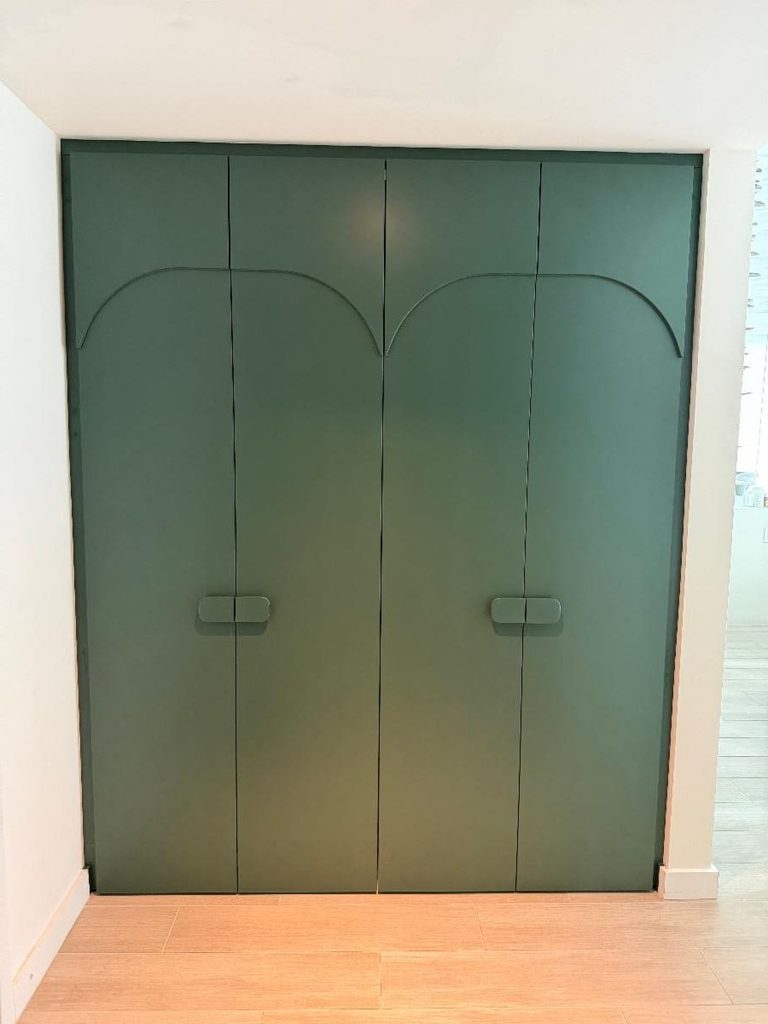
rout. Hinges. Hardware. Specialty doors. A finish that requires a particular type of painter.
They may seem minor compared with choosing a kitchen or furnishing a living room, but someone needs to know what is required, when it is needed and whether another decision depends on it.
There are hundreds of details like these in a renovation. Part of my job is anticipating them before they become problems
5. Show Your Designer What You Like
You do not need to know your design style before you call me. I don’t expect you to.
Some clients can describe exactly what they want. Others know what they like when they see it but have a hard time putting it into words. Sometimes a client simply tells me about a favorite hotel, restaurant or other space to use as inspiration.
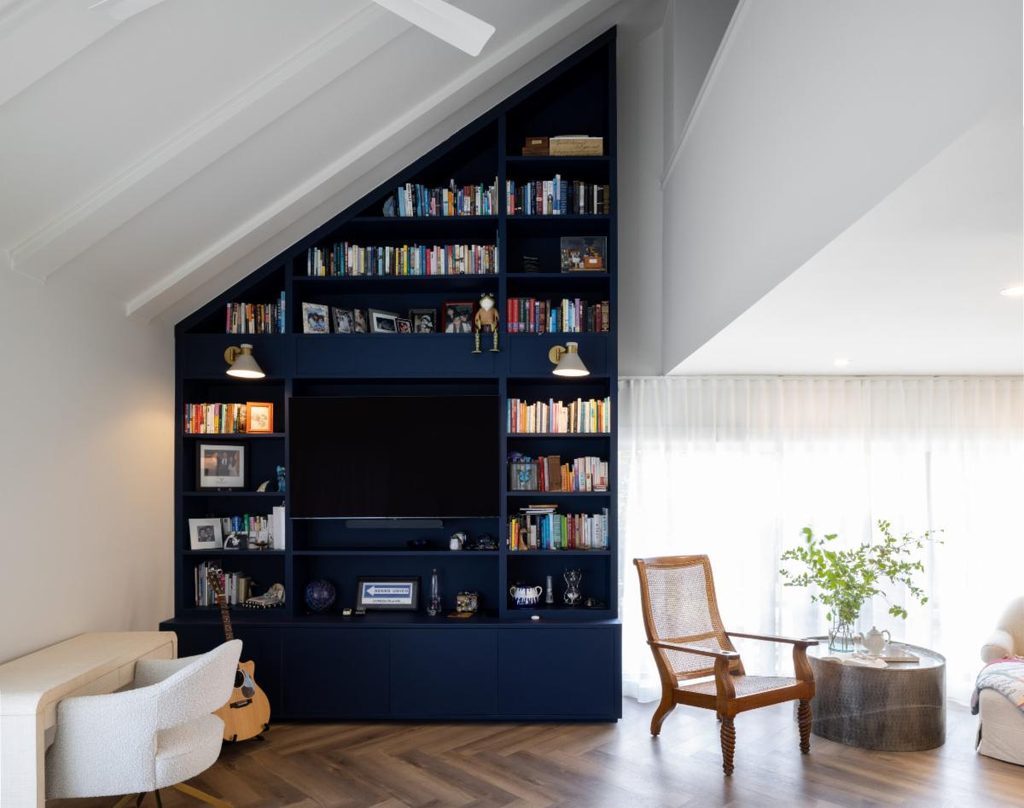
Pinterest can be extremely useful. I ask clients to save rooms, furniture, materials and details they respond to without worrying too much about whether everything matches.
Planning Doesn’t Make a Project Perfect
Even a well-planned renovation will have surprises.The goal isn’t to pretend otherwise.
There is a difference between adapting when something unexpected happens and beginning without enough decisions having been made.
Good planning gives the designer, contractor and client the information they need to move the project forward. It also leaves more time to deal with the things no one could have predicted instead of solving problems that could have been addressed earlier.
Warmly,
Jessica Boudreaux