
I recently attended an event “Behind the Scenes of French Luxury” where the hosts explored the contrast between European and American approaches to work, highlighting how essential it is for designers to pause, wander, and truly absorb the world around them.
It brought me back to my recent trip to Japan. I returned with far more photos than I expected, but what stayed with me most was not any one place. It was the consistency of the design language.
Across cities, hotels, historic properties, and even small public spaces, there was a level of restraint that felt deeply intentional. Materials were allowed to speak for themselves. Nature was treated as part of the design. Modern design did not feel cold.
That combination stayed with me because it clarified something I already believe: luxury has little to do with excess. More often, it comes from knowing what to leave alone.
There are five principles of design in Japan. Below are the two that really stuck with me throughout my trip:
MA: THE POWER OF SPACE – Restraint, Not Emptiness
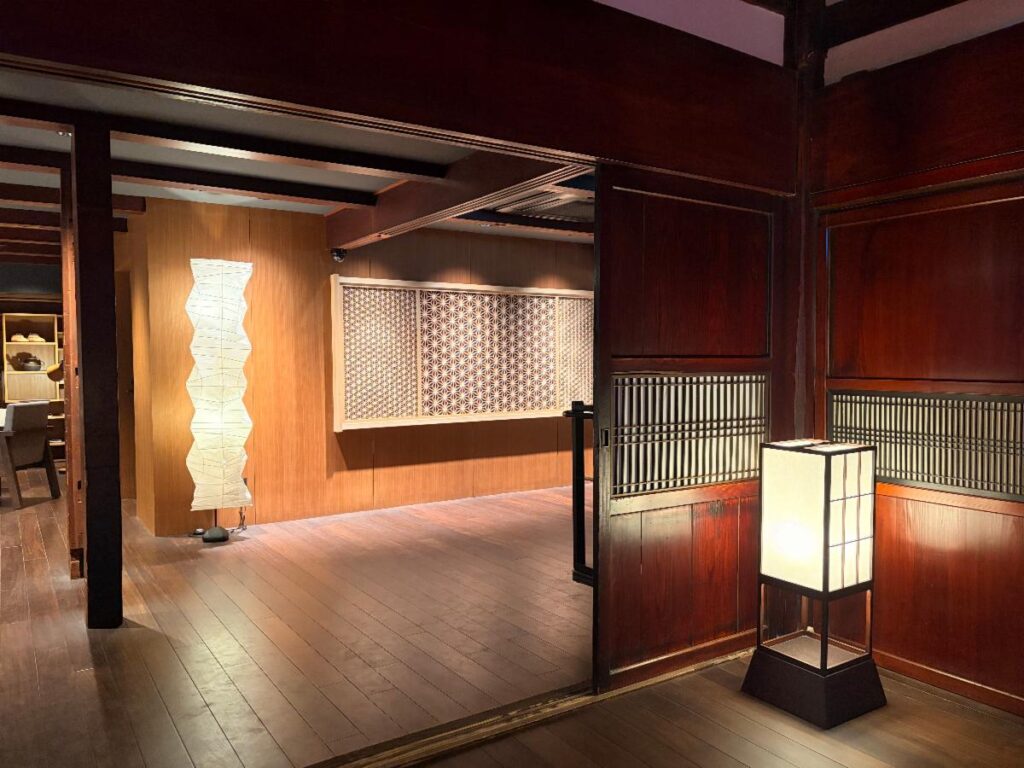
One of the clearest impressions I had was how much was not being done.
There was not a heavy hand with color. Surfaces often stayed within a close tonal range of wood, stone, off-white, charcoal, or black. If you photographed many of these interiors in black and white, they would still make complete sense. That discipline gave everything more presence.
Restraint is often confused with minimalism, but to me they are not the same thing. Minimalism can become a style. Restraint is a decision-making principle. It means not filling every opportunity simply because the opportunity is there.
That distinction matters in a home. A room does not become more convincing because every surface is working hard. Often it becomes more convincing when one or two elements are allowed to carry the room and everything else supports them.
SHIZEN: CONNECTING WITH NATURE – Framing Nature Instead of Competing With It
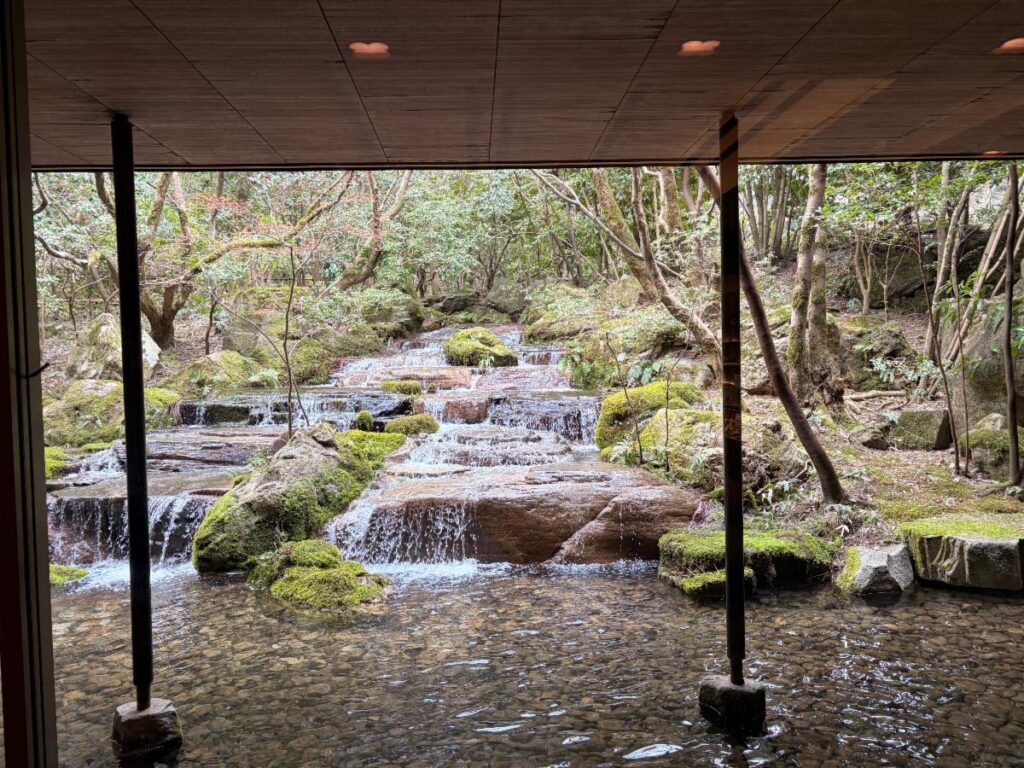
Another thing I noticed repeatedly was how intentionally nature was framed.
There were windows that functioned almost like artwork, except what they held was a mountain view, a stand of trees, a garden, mist, or rain. In some spaces, the most memorable “feature” in the room was simply the decision to let the outside remain visible and undisturbed. Japanese design excels at blurring the boundary between indoors and outdoors.
I have always had a strong appreciation for nature, so this resonated with me immediately. When there is an opportunity to honor it rather than compete with it, I am almost always interested in that move.
In residential design, this does not have to mean a dramatic view. Sometimes it is a carefully placed window, a quieter palette near a garden, or choosing materials that allow the landscape to stay visually present instead of fighting for attention.
Modern Design, With Respect for Age
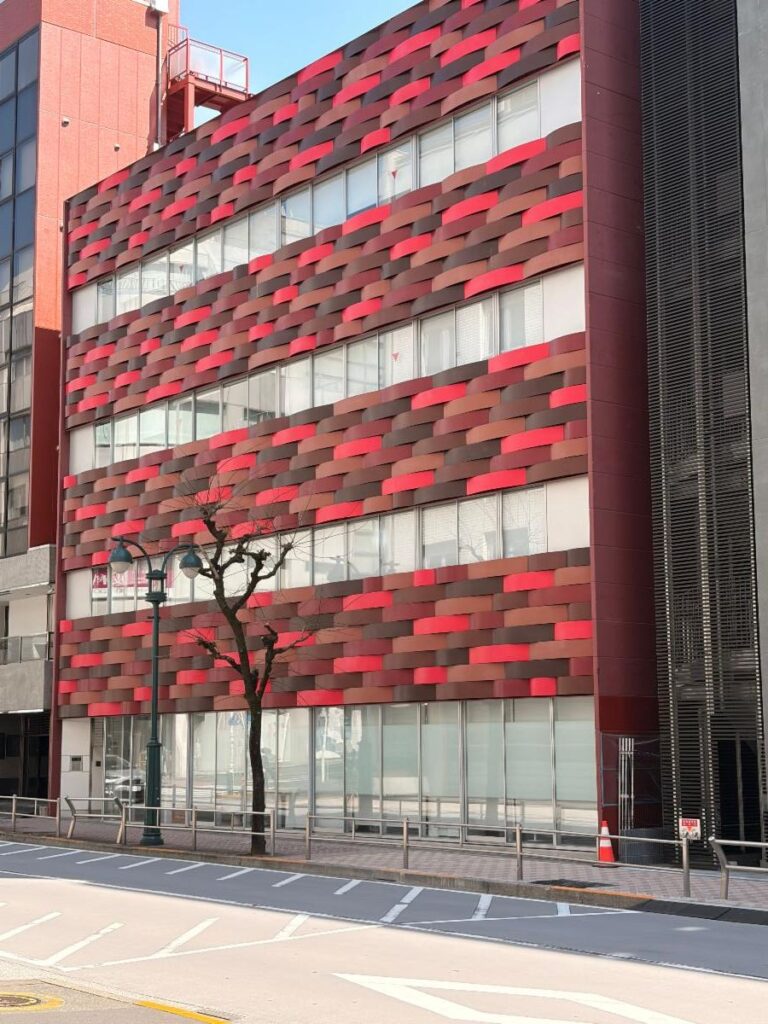
I also admired the way older buildings were treated. There was a clear respect for history, but not in a precious or frozen way. Many older properties were preserved and still actively used. They were not hidden away as relics. They remained part of daily life.
I find that far more compelling than a version of modernity that assumes everything old needs to be stripped away. Good design does not always begin with replacement. Sometimes it begins with recognizing what already carries meaning and building from there.
That balance between modern clarity and historical reverence felt especially sophisticated to me.
Natural Materials in Their Actual State
I was also struck by how often natural materials were used without overworking them. This impression likely stemmed from a combination of subtle design elements working together.
There was an incredible amount of wood, especially cypress and cedar, and it was often allowed to remain close to its natural state. In one small building clad in hinoki cypress, the scent of the wood was the experience. It did not need a fragrance to imitate it. It was simply the material itself, doing what it naturally does.
That stood out to me because we so often try to recreate the feeling of something natural rather than use the real thing well. The same is true in interiors more broadly. When materials are heavily manipulated to simulate age, texture, or warmth, the result is usually less convincing than the original source.
That does not mean every project needs raw wood or stone everywhere. Context still matters. But this trip reinforced my preference for materials in their natural state, and for finishes that reveal rather than disguise.
A Small Discovery I’ll Share More Of
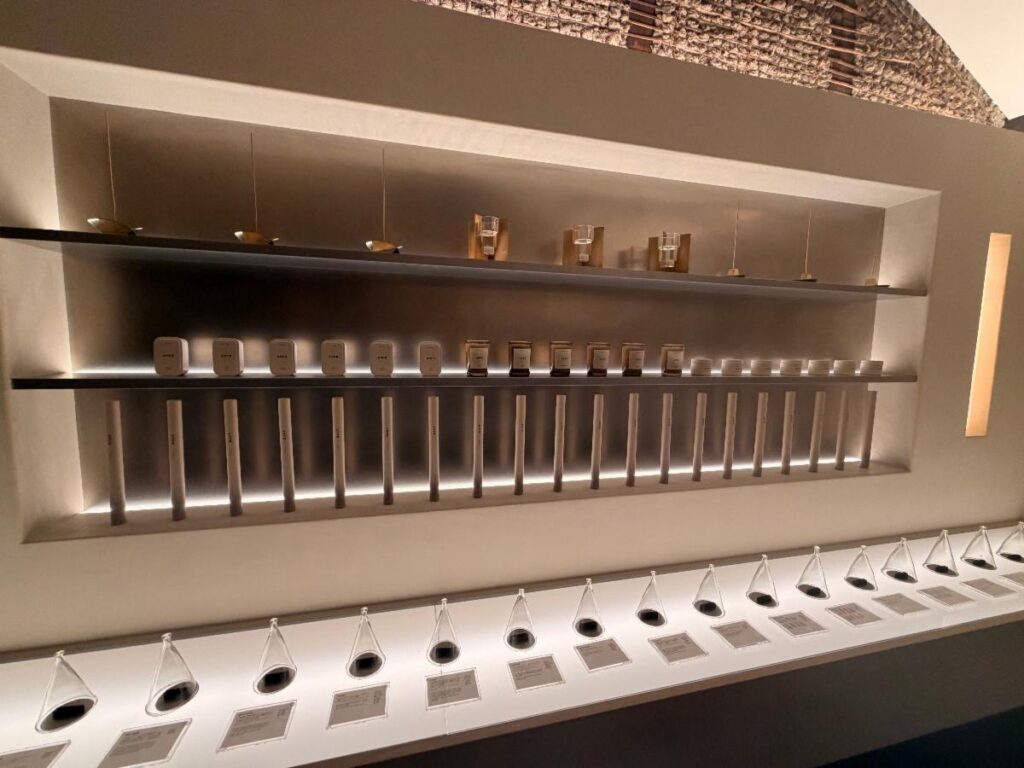
One of my favorite discoveries in Japan was a fragrance shop whose presentation was so restrained and beautifully considered that it felt closer to a gallery than a retail space. Anyone who knows me knows I have a highly sensitive sense of smell—and a deep love for an exceptional home fragrance. I brought home a few pieces from that visit, and I’ll share more about them soon. Please make sure you’re following @Boudreauxdesignstudio on Instagram for more about this.
I suspect this may become a small recurring thread here: objects, materials, and finds that genuinely stay with me and are worthy of sharing.
Warmly,
Jessica