
Hotels have always influenced how I think about home.
Not because a home should feel like a hotel. It should not. But a well-designed hotel is very good at creating an immediate sense of arrival. The best ones understand comfort, pacing, lighting, scent, storage, and atmosphere in a way that feels effortless, even when nothing about it is accidental.
When I travel, interior design is often part of how I choose where to stay. I care about the room, of course, but I also care about the lobby, the bed, the breakfast, the garden, the bar, and the way the whole property makes you shift into a different rhythm.
Recently, three hotels stayed with me for very different reasons.
La Fantaisie, Paris
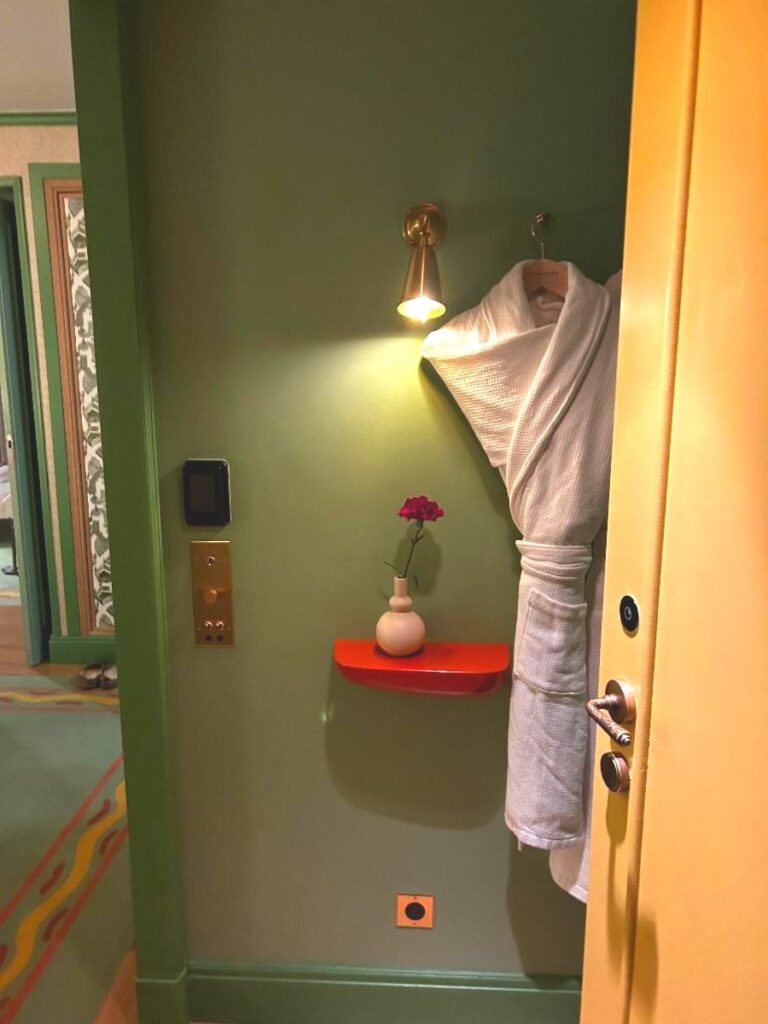
It is floral, layered, colorful, and more patterned than what I usually gravitate toward. I almost reconsidered the reservation because of that. But in Paris, inside a boutique hotel on a quiet street, the whole thing worked.
The lobby was small and intimate. The custom fragrance, with black currant and tomato leaf, immediately tied into the botanical theme. The restaurant opened onto a terrace garden, and later we discovered another garden on the rooftop. The colors, textures, lacquered built-ins, and patterned doors carried into the room in a way that felt traditional, but still current.
It worked because the hotel fully committed to the concept, from the fragrance in the lobby to the patterned closet doors in the room.
Every detail belonged to the same story. Even the practical pieces were considered: a red lacquered shelf by the entry, a lamp above it, a hook for a robe or purse, and a closet with integrated lights that turned on when the doors opened.
That is the part worth bringing home. A room can have personality and still function beautifully. The lesson was not to avoid pattern or color. It was to use them with enough purpose that the room still feels comfortable, useful, and resolved.
La Mamounia, Marrakesh
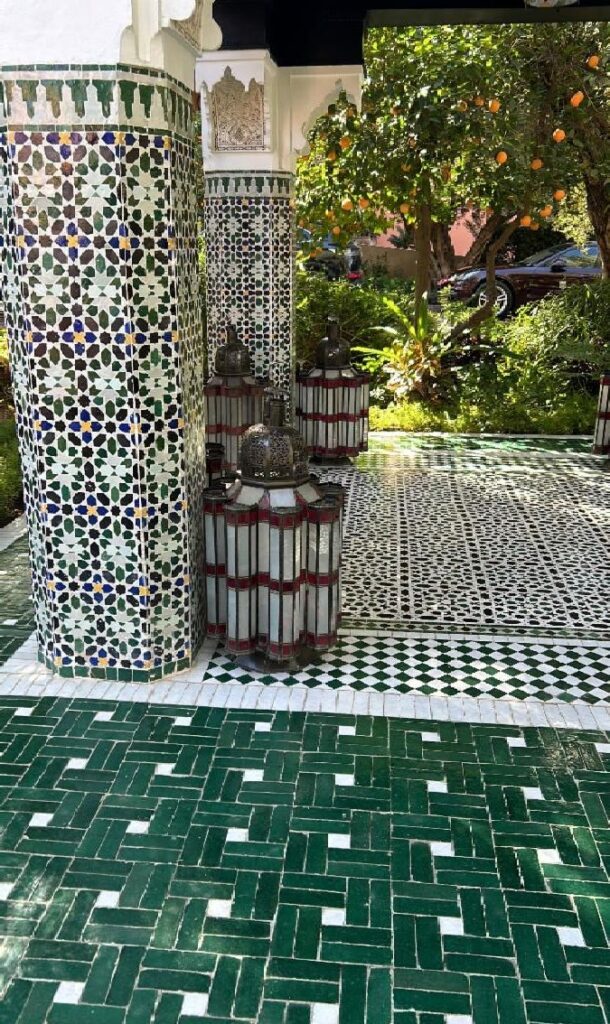
La Mamounia is the opposite kind of lesson.
It is grand, layered, historic, and unmistakably Moroccan. The property sits behind a wall, surrounded by green zellige paths, orange groves, and garden views that make the arrival feel deliberately removed from the bustling street outside.
What I loved most was how distinctly rooted it felt.
The property never tried to be everything to everyone. It embraced where it was. Carved wood, plaster, marble, tile, and woven fiber appeared throughout the hotel, creating a sense of place that felt unmistakably Moroccan. Even the way the spaces were arranged felt intentional. A library for quiet. A glass-framed room for breakfast and sunrise through the garden. Darker seating areas for conversation. Arched courtyards that encourage you to pause before moving on.
That is something I think about often in residential design. The best rooms do not need a sign telling you what to do there. The layout, lighting, furniture, and materials should already be giving you the cue.
A home can do that too.
Prince Gallery, Tokyo
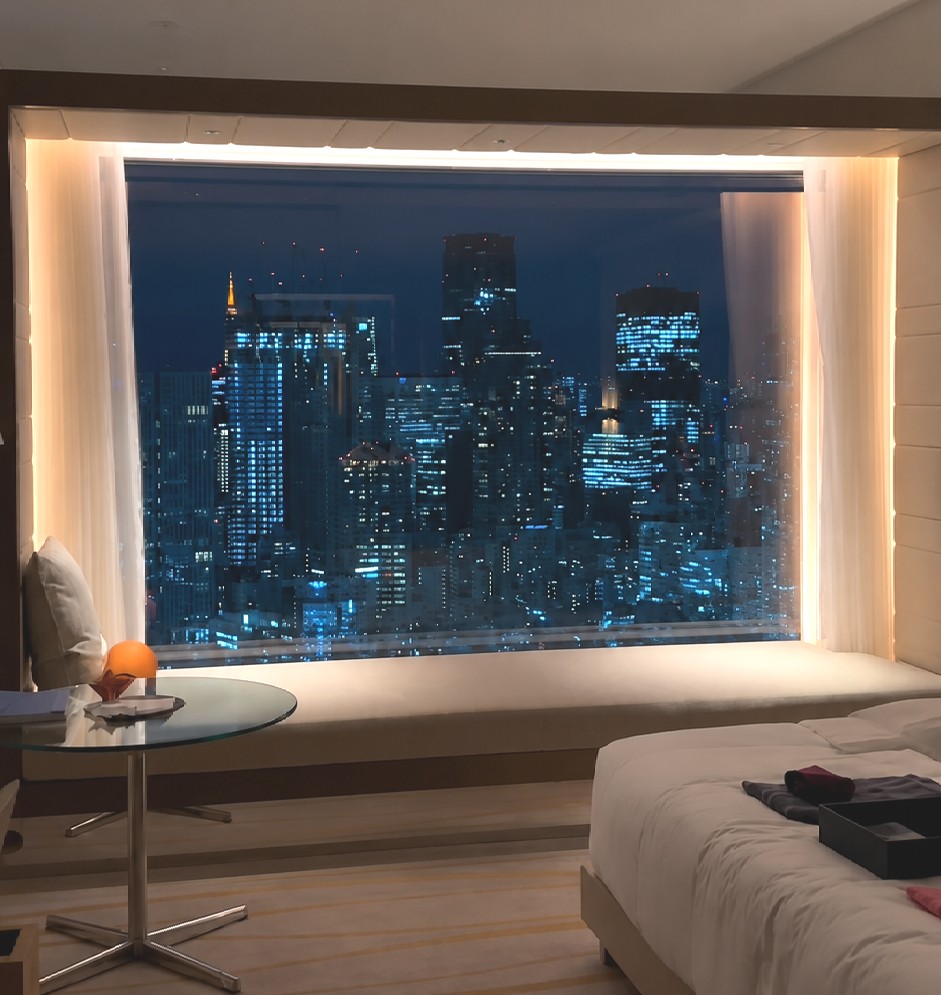
Prince Gallery Tokyo was all about the view.
The room was smaller than the others, which made the design more interesting to me. Small rooms reveal whether a designer has truly considered how the space will be used.
This one had everything it needed, but nothing felt forced. The glass bathroom enclosure could turn opaque with a switch, saving space while still allowing the view to remain part of the experience. The shower was clad in marble and included a soaking tub. The toilet had its own water closet. The vanity had integrated lighting, including a magnifying mirror.
At night, the room became something else entirely. Concealed LED lighting around the ceiling allowed the space to shift depending on mood, all controlled from the bedside panel. My favorite detail was the built-in bench by the window, framed in light and positioned perfectly for taking in the city.
That is a hotel detail I always notice: the moment when design gives you a reason to sit, look, and actually use the room differently.
What Translates Home
The point is not to copy a hotel.
The point is to notice what made the experience memorable.
A custom scent that reinforces the mood of a space. A garden that becomes part of the room. Lighting that changes from morning to night. Storage that feels easy and incorporated. A seating area placed exactly where someone would want to pause. Materials that tell you where you are, rather than trying to look expensive without saying much.
These are the details that translate beautifully into a home because they are not about performance. They are about use, memory, and atmosphere.
If someone you know is planning a renovation or simply loves noticing the details that make a space feel memorable, feel free to forward this along.
Warmly,
Jessica